
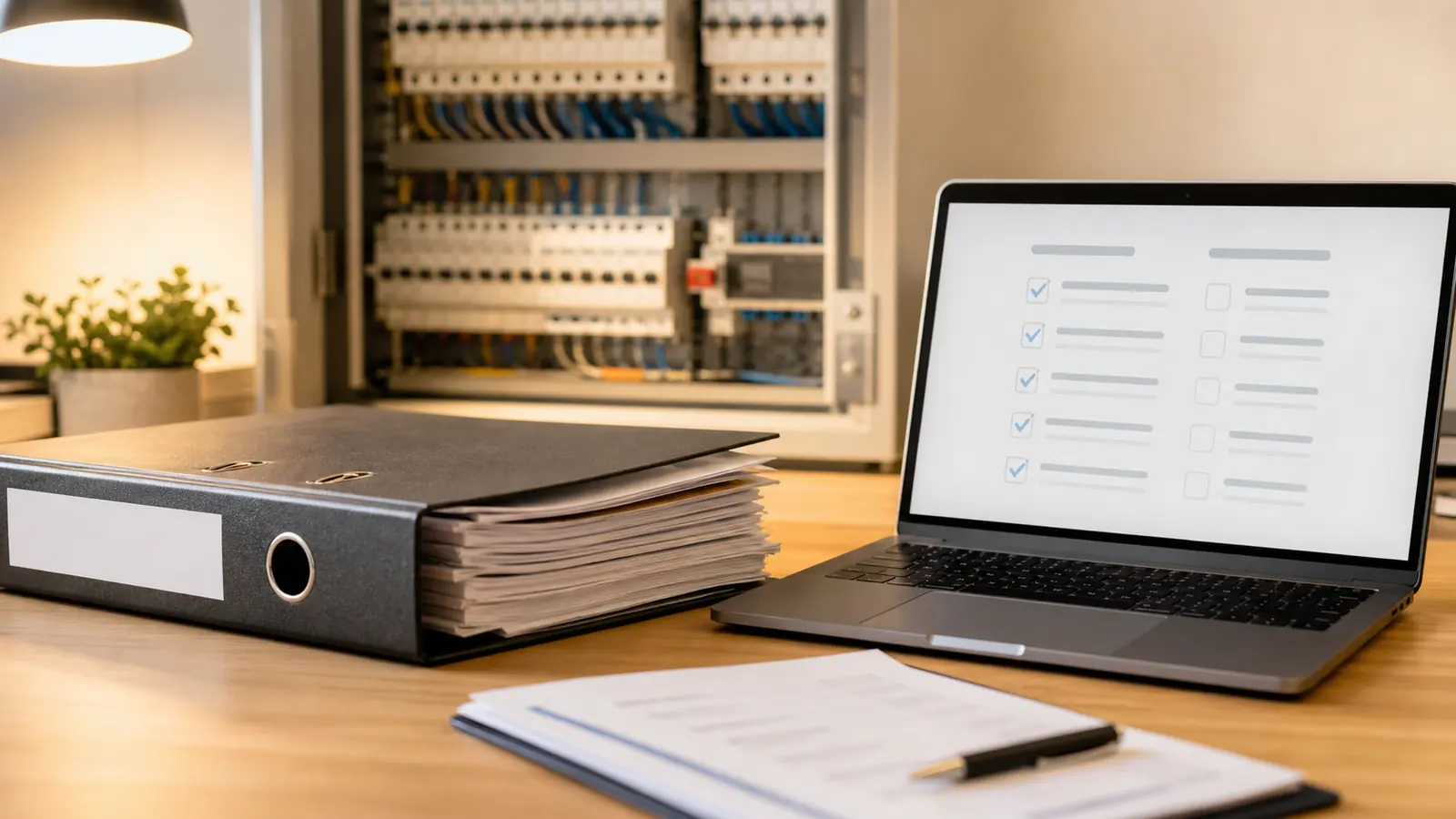
Effective prevention always pays off. When a fire, electric shock, or operational disruption occurs, the insurance company will investigate the technical condition of the equipment as part of the claims process. Inspection reports and documentation of periodic checks are among the first documents the claims adjuster will request. If an inspection is missing, it does not automatically mean the claim will be denied. However, it can significantly complicate the entire process.
Why Insurers Care About Technical Condition and Inspection Validity
An insurance company protects not only the client’s property but also follows its own business rules. The contractual and policy terms usually state that the policyholder is obliged to comply with legal and technical regulations. For designated technical electrical equipment, which includes fixed electrical installations, lightning protection systems, and photovoltaic systems, conducting periodic inspections is the operator’s obligation under Section 20 of Act No. 250/2021 Coll. For portable electrical appliances and extension leads, the obligation for periodic checks stems from regulations ensuring occupational health & safety (OHS) (the Labour Code and Government Regulation No. 378/2001 Coll.).
When an insurance company discovers after a loss is reported that a required inspection was missing or significantly overdue, it may begin to investigate whether there is a causal link between this neglect and the occurrence or extent of the damage. This does not mean an automatic reduction in the claim payout. In practice, however, the absence of a valid inspection often means the operator cannot prove the equipment was in a faultless condition before the insured event. This complicates the situation for the claims adjuster and may lead to a more detailed expert examination. The outcome then depends on the specific insurance contract, its exclusions, and the circumstances of the particular case.
Overdue Inspection, Unresolved Defect, and Normal Operational Risk
When assessing an insured event, the specific state of the documentation and equipment plays a role. From the insurer’s perspective, several typical situations can be distinguished:
- The inspection interval has expired, but the equipment is actually in good condition.
- The inspection was conducted on time and revealed a defect that was not rectified within the specified deadline. Here, the risk to a successful claim settlement increases because the operator knew about the problem and did not address it.
- The damage occurred despite a valid inspection and timely rectified defects. This is usually a random failure, which may be fully covered by the insurance policy.
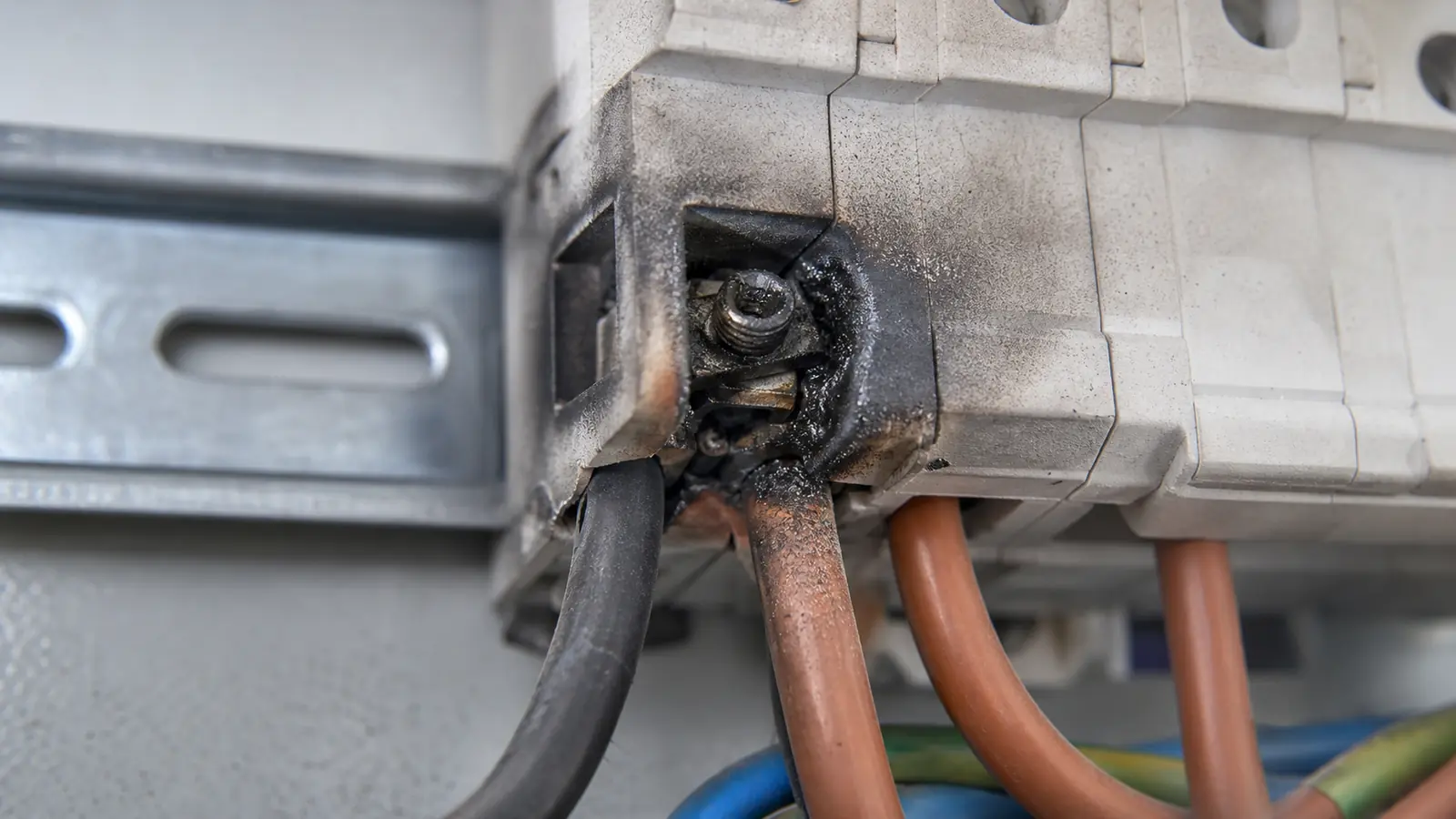
- The equipment exhibited a defect that posed an immediate safety threat and yet remained in operation. Such conduct contradicts the basic principles of prevention, and the insurance company will assess it very strictly.
The better the operator can demonstrate proper care, the less room there is for doubt about the cause and extent of the damage.
How to Organize Your Inspection Documentation
Well-organized documentation is fundamental. The following steps will help maintain an overview and reduce the risk of complications during a potential insured event:
- Create a central overview of all equipment subject to inspections, including their validity dates. This can be a spreadsheet, specialized software, or a matrix managed by a specialist company.
- Always separate inspection reports for fixed electrical installations, lightning protection systems, PV systems, and records of portable appliance (PAT) testing. Each category has a different inspection interval and standard.
- Address identified defects without delay. The inspection report should clearly show when the defect was rectified and who performed the corrective action. Have the rectified condition confirmed by a certified electrical inspector.
- Do not rely on the assumption that someone else is tracking inspections. In buildings with multiple tenants, responsibility for inspections is often fragmented. The division of obligations between the property owner, manager, and tenant stems from the lease or service contract and the type of equipment. The tenant is usually responsible for their own portable appliances and extension leads, while the landlord arranges the inspection of the fixed installation or lightning protection system.
What SOHE Can Inspect and Resolve
At SOHE, we deal with three areas of designated technical electrical equipment: electrical installation inspections, lightning protection system inspections, and photovoltaic system inspections. We also conduct portable appliance (PAT) testing. The output from each inspection is a report with a clear list of any defects and information on deadlines for their rectification. We can also handle subsequent repairs, supplement missing labeling, or supervise the setting of inspection intervals. This gives the operator the assurance that the documentation is complete and up-to-date.
What to Do Before and After an Insured Event
The best defense is prevention. Before a potential event, we recommend:
- Ensuring all inspections are valid and documentation is easily accessible.
- Checking your insurance policy for any specific requirements regarding inspections, intervals, or defect reporting procedures.
- Implementing an alert system for upcoming inspection expiry dates so nothing lapses.
If an event does occur, it is advisable to:
- Contact the insurance company immediately and document the damage.
- Prepare complete inspection documentation and proof of rectification for any previously identified defects.
- If the claims adjuster questions the claim amount citing technical condition, request a written justification for their decision. Without a specific justification, the insurer’s procedure cannot be substantively reviewed.
Frequently Asked Questions About Inspections and Insurance Claims
Can the insurance company deny a claim if no inspection exists at all?
The claim settlement depends on the specific wording of the insurance policy and whether the absence of an inspection had a demonstrable connection to the occurrence or extent of the damage. The insurance company can investigate the causal link, and if the technical condition of the equipment influenced the degree of damage, it may adjust the claim amount proportionately. However, this does not mean an automatic denial.
How often must inspections be conducted?
The basic maximum intervals for periodic inspections are set out in Annex No. 4 of Government Regulation No. 190/2022 Coll. Administrative buildings have an interval of 5 years. Buildings used for manufacturing, education, accommodation, and healthcare purposes are subject to inspection every 3 years. Spaces for gatherings of more than 200 people require an inspection every 2 years. In wet environments and areas with a permanently corrosive or polluting atmosphere, an annual inspection is required. Areas with fire and explosion hazards are inspected every 3 years. A more detailed breakdown according to external influences is defined by ČSN 33 1500. If multiple intervals apply to a building, the shortest one always prevails.
Is it sufficient if the inspection was valid at the time of the insured event but has since expired by a few months?
If the inspection was valid at the time the damage occurred and there was no neglect of maintenance, the later expiry of the interval should not pose a threat to the claim. The insurance company focuses on the moment of the loss event and the condition of the equipment just before it. It is important that you can prove a valid inspection report existed on the day in question.
I am a tenant in an office. Do I have to arrange inspections myself?
It depends on the contract. The property owner or manager typically arranges inspections of fixed wiring, the lightning protection system, and common areas. The tenant is generally responsible for the safe condition of their own electrical appliances, extension leads, and checking their serviceability. In practice, however, the tenant is often unsure whether the landlord is actually conducting inspections. We recommend addressing this issue directly in the lease agreement and obtaining copies of valid inspection reports from the landlord.
How much does an inspection cost?
The price depends on the scope of the building, the number of devices, and the complexity of the measurements. A minor inspection of a smaller facility is roughly in the range of thousands of CZK excluding VAT; extensive sites and PV system inspections require an individual calculation. We will prepare a specific price quote after a no-obligation inquiry.
Organized Documentation Saves Time and Money
Inspections are not a formality to fulfill a paperwork obligation. They are proof that you have not neglected the care of the entrusted property. And that is the first thing the insurance company asks about when investigating a loss. Do not wait for the end of the inspection intervals. Order an inspection from SOHE and be sure your documentation will stand up to scrutiny.
Sources for This Article
The information in this article is based on the current wording of the following regulations (verified against the official e-Sbírka):
- Act No. 250/2021 Coll. – Section 20 (the operator ensures the safe condition of designated equipment; operation without an inspection within the specified interval = a condition endangering safety).
- Government Regulation No. 190/2022 Coll. – Section 7 with Annex No. 4 (intervals for periodic inspections according to the environment).
- Government Regulation No. 378/2001 Coll. – Section 4 (checking operated equipment, including portable appliances and tools).
The specific breakdown of intervals according to the environment is contained in the ČSN 33 1500 standard (outside the Collection of Laws). The scope of the insurance claim settlement is governed by the specific insurance contract, its terms and exclusions, and the Civil Code (Act No. 89/2012 Coll.); this article does not replace the assessment of a specific case. Regulations may be amended.